
Valley AlUla
AlUla. The whole valley.
Hegra, the Kingdom's first UNESCO World Heritage Site, with a mud-brick old town, two pre-Arabic capitals and a mirrored concert hall in the same oasis valley.
AlUla at a glance
- Where
- Al Madinah Province, north-west Saudi Arabia
- Listed
- Hegra, the Kingdom's first UNESCO site
- Getting around
- Sites 20 to 40 minutes apart
- Allow
- Two days for the valley, one for the highlights
AlUla, in detail
What is actually in the valley
AlUla is an oasis valley cut into sandstone in the north-west of the Kingdom, and it holds more history per kilometre than anywhere else in Saudi Arabia. Hegra, the Nabataean city also called Madain Salih, was the Kingdom's first UNESCO World Heritage Site.
More than a hundred tombs are carved into freestanding rock outcrops there, by the same civilisation that built Petra. Before the Nabataeans there were Dadan and Lihyan, whose capital sits nearby, and Jabal Ikmah, a canyon whose walls carry thousands of inscriptions in pre-Arabic scripts.
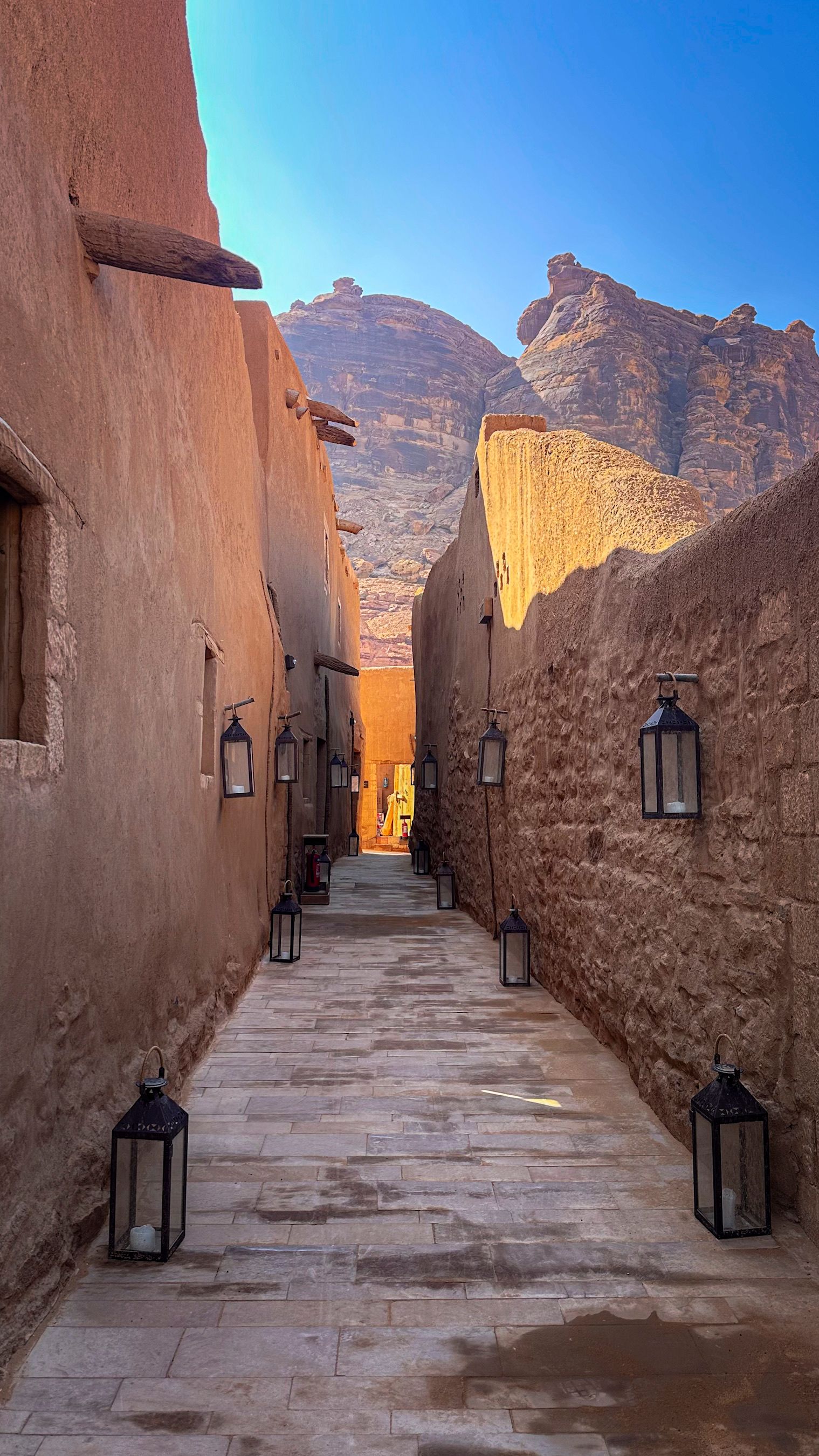
Then there is the modern layer: Maraya, a concert hall clad entirely in mirrors so that it disappears into the cliffs behind it, and the restored mud-brick Old Town below the citadel.
How the days are usually shaped
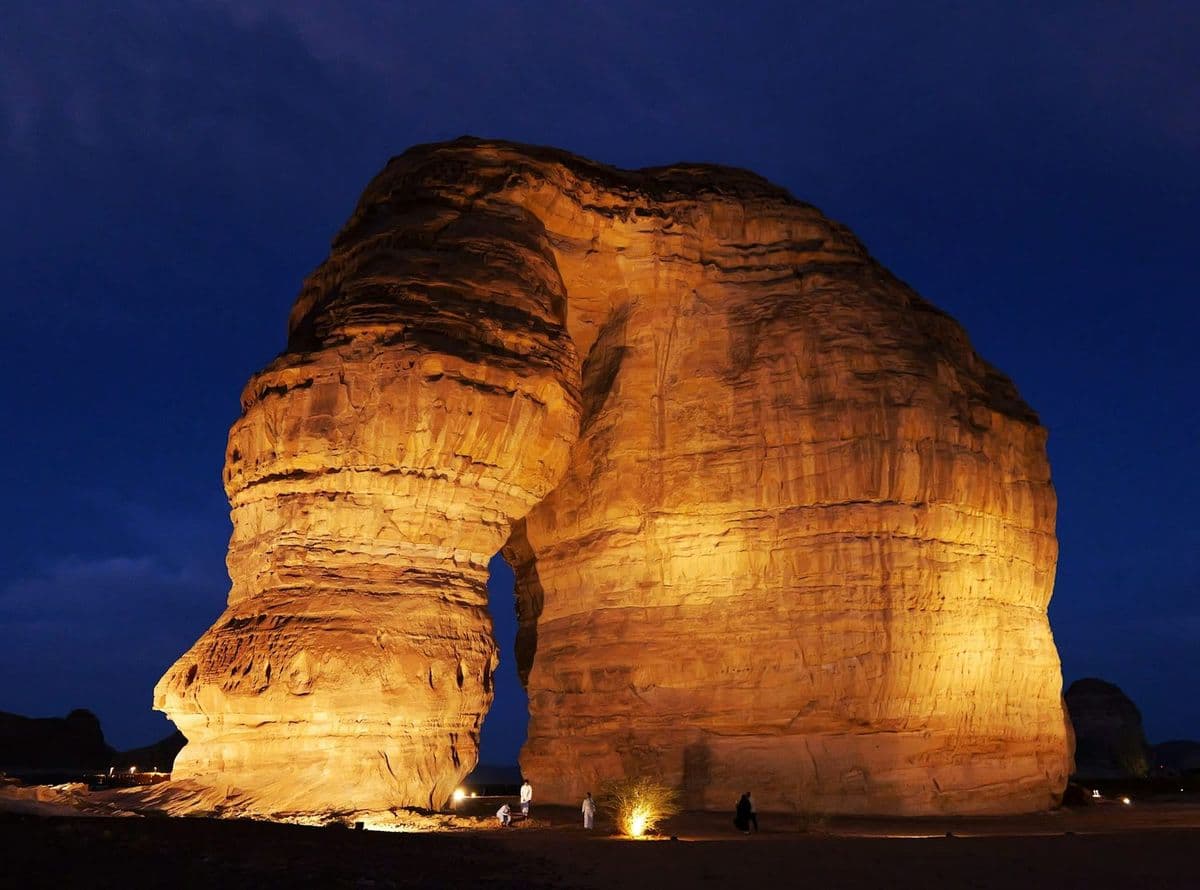
Hegra is the morning, because the tombs are best before the heat and access is timed. The Old Town and the oasis walk suit the middle of the day, when there is shade. Elephant Rock is the evening, because it opens late and is lit after dark.
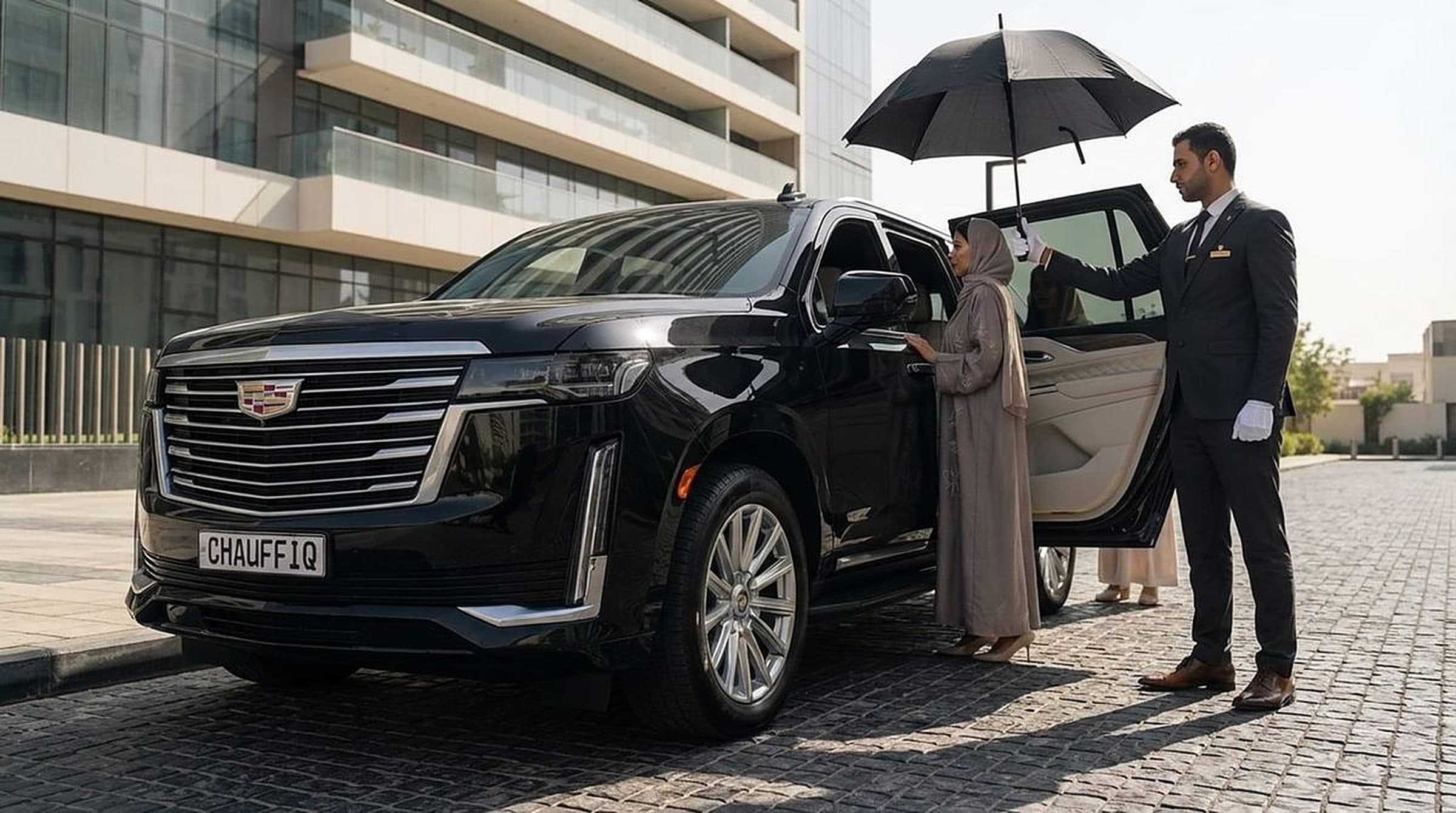
That order is why AlUla rewards having a car and chauffeur for the whole day rather than arranging transport three times. The sites are twenty to forty minutes apart on quiet roads with nothing in between them.
Two days does the valley properly. One day, planned tightly, covers Hegra, the Old Town and Elephant Rock without feeling rushed.
Getting to AlUla, and getting around it
Most visitors fly into AlUla's own airport. Transfers to the town centre run about thirty minutes; the Old Town is roughly forty-five, and the resorts and Hegra are further again depending on which one. The valley is spread out and the distances are real.
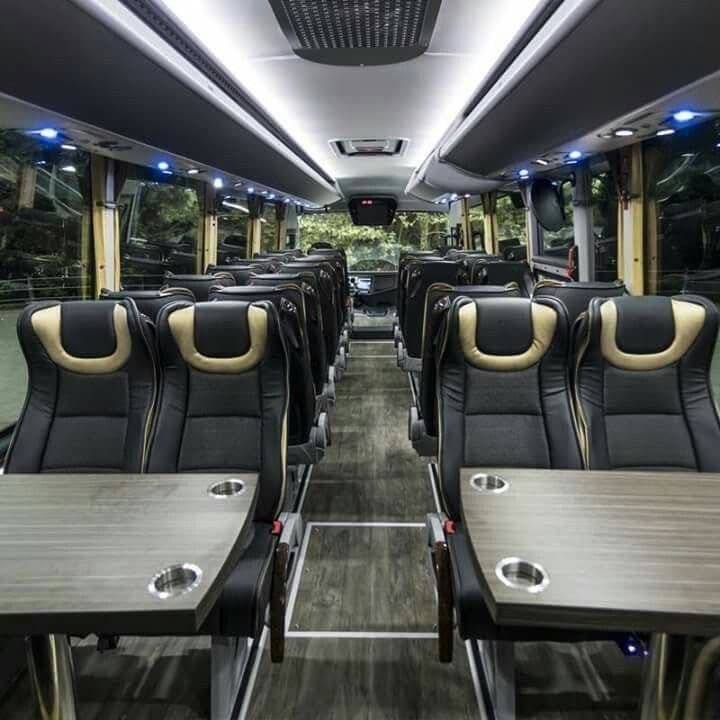
An SUV is the usual car: the distances are long, the luggage is real, and the higher seat is better over the sand-edged roads. Groups take a van or coach.
Riyadh and Jeddah both connect by road as well as by air, though they are long drives. The drive is quoted as a city-to-city transfer, one number for the whole road.
On the day What there is to do
Worth doing while you are there.
Hegra
More than a hundred Nabataean tombs cut into freestanding sandstone outcrops. UNESCO listed, access timed, and the reason most people come.
AlUla Old Town
The restored mud-brick quarter below the citadel, with lanes, shops and cafes. Best in the late afternoon.
Dadan and Jabal Ikmah
The Lihyanite capital and a canyon of pre-Arabic inscriptions, sometimes called an open-air library.
Maraya
The mirrored concert hall that reflects the cliffs and effectively vanishes into them. Check what is programmed on your dates.
The oasis walk
Palm groves and irrigation channels running through the middle of the valley. Shade in the hottest part of the day.
Elephant Rock in the evening
Fifty-two metres of sandstone, floodlit, with fire pits and food trucks. Where the day ends.
The valley, with the car held all day.
Send the date and roughly how the day should go. The car, the chauffeur and one all-inclusive price come back in writing, and the itinerary stays yours to change on the day.
Before you ask AlUla
Asked, answered.
Hegra, the Nabataean city also called Madain Salih, which was the Kingdom's first UNESCO World Heritage Site and holds more than a hundred rock-cut tombs. The valley also has Dadan, Jabal Ikmah, the mud-brick Old Town, Elephant Rock and the mirrored Maraya concert hall.
Two days covers the valley properly. One day, planned tightly, gets Hegra in the morning, the Old Town in the afternoon and Elephant Rock in the evening.
By car. The sites are twenty to forty minutes apart on quiet roads with nothing in between, so a chauffeur held for the day is the practical way to see more than two or three of them.
Transfers to the town centre run about thirty minutes. The Old Town is roughly forty-five, and the resorts and Hegra are further again depending on which one you are going to.
An SUV for most parties: the distances are long, the luggage is real and the higher seat suits the sand-edged roads. Groups travel in a van or a coach.